


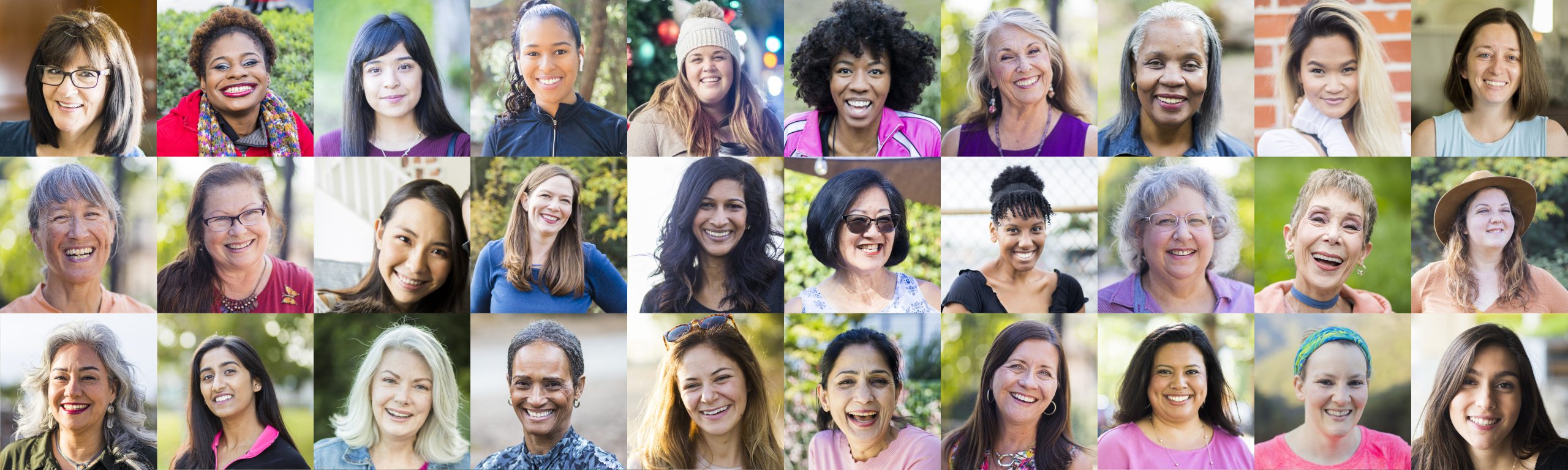
Diversity
Federally Employed Women is committed to providing equal access to membership, programs, activities and opportunities to all, regardless of sexual orientation or gender identity.
Through the Diversity Program, FEW develops strategies to identify and eliminate barriers and increase diversity by examining the demographics of the workforce according to age, race, sex, ethnic background, religious affiliation, disability, sexual orientation, grade level and occupation within the Federal Government. FEW also seeks to expand the notion of diversity beyond the categories protected by law and regulation to include socioeconomic status, communication and thinking styles, family composition and much more. Diversity training is offered annually in person at FEW’s National Training Program, via webinar to members and non-members, and at all Regional Training Programs.
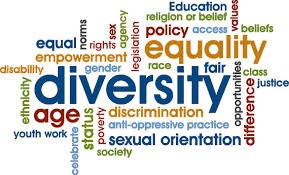
Diversity, Inclusion, Equity and Justice for all!
In case you have not heard, the goal is no longer to just achieve Diversity and Inclusion, but to use social justice to guide diversity efforts. D&I consultant Verna Myers explains “Our equity goals must focus on the pursuit of fair treatment, access, opportunity, and advancement for all while striving to identify and eliminate barriers that prevent full participation.”
On January 20, 2021, one of the first Executive Orders that President Biden issued was Advancing Racial Equity and Support for Underserved Communities Through the Federal Government. The President recognized “…disparities in our laws and public policies, and in our public and private institutions, have often denied that equal opportunity to individuals and communities.”
In support of this Executive Order 13985, federal agencies have formed leadership-led equity assessment teams to collaborate and identify inequities, deficiencies, and barriers to equity in their programs, processes, opportunities, community engagement and outreach. Every agency is going to have different goals based on their mission. We will all need to ask difficult questions and step out of our comfort zones and: 1) deeply explore the areas of inequity and racism in our environment so that we can create solutions to some of our most urgent challenges; 2) commit to collective and individual actions that will shift inequitable power dynamics in decision making, personal and agency practices; and 3) understand the importance of centering equity and anti-racist practices. We will need to revisit the guiding principles for equity and understand that the world is ever-changing and so must the solutions to achieve equity; understand and acknowledge historic trauma and be involved in community discussions about mitigation; and provide a seat at the table and decision-making role for those affected or historically left out. To read the Executive Order, click here.
When we draw on the wisdom of a workforce that reflects the population we serve, we are better able to understand and meet the needs of our customers-the American people. –OPM
When we hear the word diversity, initially, these are generally the characteristics that first come to mind. Yes, you are correct, these are many of the things about us that make us different. Diversity is so much more than this. Scroll down a bit to see a broader look at diversity.
When you look at the expansive list of things that make us different, think about how each of us brings different views and experiences in these areas and the value that each of us adds from our different perspectives.
Why does diversity matter to FEW? Because studies have shown that diverse organizations are better at attracting the talent they need. From inspiring creative ideas to improving organizational effectiveness, a diverse team is the secret to success; all of the qualities needed to Soar to New Heights!
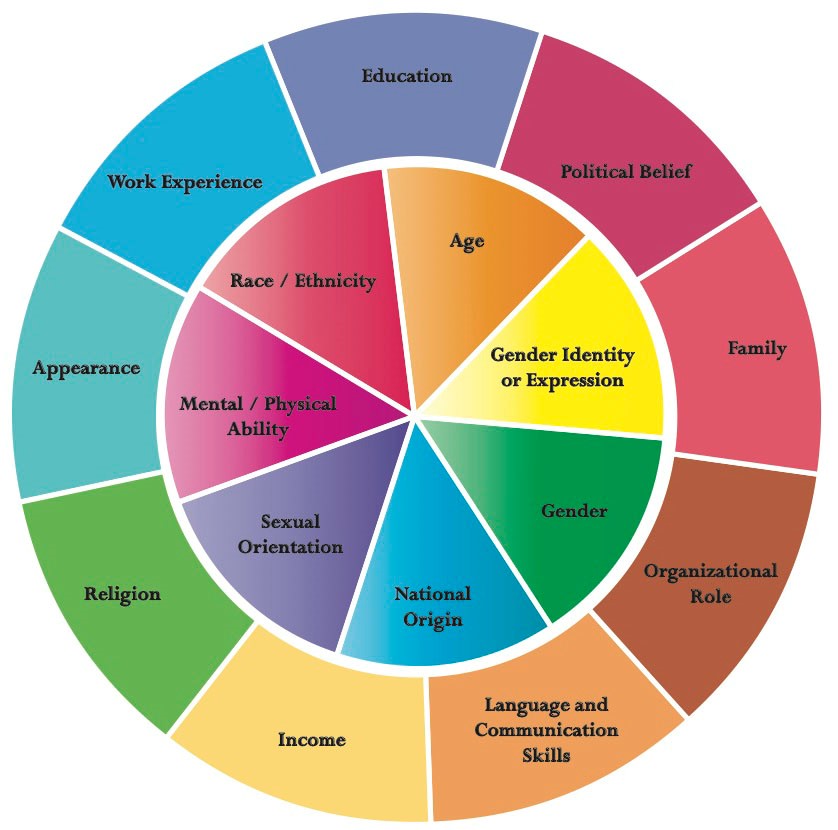
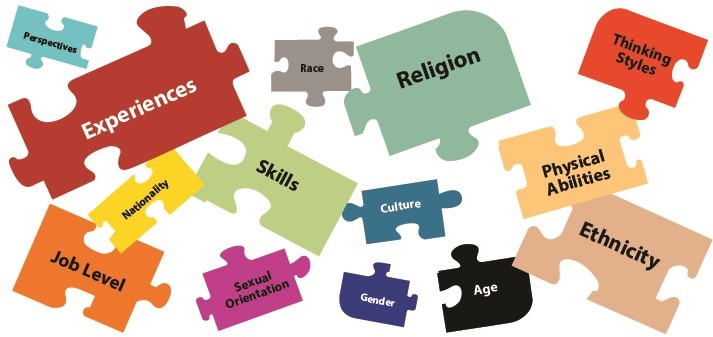
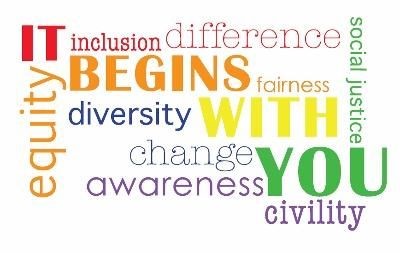
The experiences, styles, attributes that bring rich perspectives, valuable knowledge and differences of opinions to the table foster innovation, trust and problem-solving. We learn from one another’s differences. If everyone brought the same ideas, same experiences, same information to the table, what would that look like?
Think of diverse experiences, cultures, characteristics, skills, lifestyles, etc., as pieces of a puzzle. The pieces are already structured to fit together to make a perfect finished product. However, it is up to us to do the work of taking those pieces, determining how they best fit together and embracing the benefit that each piece contributes to the finished product.
Special Emphasis Programs
WHY DO WE HAVE SPECIAL EMPHASIS OBSERVANCES?
Special Emphasis Observances or Special Emphasis Months were developed to improve the workplace environment by promoting and fostering diversity in the workplace and demonstrating the agency’s commitment to a model EEO workplace through awareness and educating employees and others to appreciate value, understand, and celebrate social and cultural similarities and differences.
The overall goal of the observances are to increase employee awareness and understanding of how diverse perspectives can:
- improve organizational performance;
- help prevent unlawful discrimination or harassment incidents;
- improve workplace relations;
- build more effective work teams;
- improve organizational problem solving;
- improve customer service; and
- fully utilize a diverse, high-quality workforce.
BACKGROUND
The goal in providing cross cultural observances throughout the year is to bring people together for thought provoking discussions on diversity across the board – getting people to think critically about and challenge their beliefs. These types of programs have been known to show positive results for changes in attitudes and actions.
WHAT DOES A SPECIAL OBSERVANCE LOOK LIKE?
Most agencies hold departmental events in recognition of the months, with a variance as to who plans the events. For example, one agency, at a department level, is moving towards celebrating all diversity groups throughout the year, through specific topics at lunches and other educational events, rather than focus on one underrepresented group per month.
Events may cross diversity groups such as discussions on how to attract, hire, and retain underrepresented groups or a cultural art exhibit and presentation.
At other agencies, all months are observed individually. A chairperson is selected and then they solicit volunteers to form a committee. For each month observed, an Equal Opportunity staff person is assigned as the advisor to the committee. At some agencies, Special Emphasis Months are not always observed with a big program. Instead, the special emphasis program manager (SEPM) may send out a crossword puzzle and give away prizes for completion or just hang flyers or signs or send out history facts via email. The idea is to broaden knowledge, whatever method used.
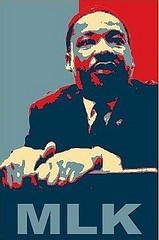
Dr. Martin Luther King, Jr. Day
January 15-21 (fluctuates)
On the third Monday of January, the U.S. honors Dr. Martin Luther King Jr., civil rights leader, actually born on January 15, 1929. Some cities and municipalities hold parades but more recently, the 1994 King Holiday and Service Act was passed to encourage Americans to transform the King Holiday into a day of citizen action and volunteer service (sometimes referred to as a National Day of Service).
Black History Month
Febuary
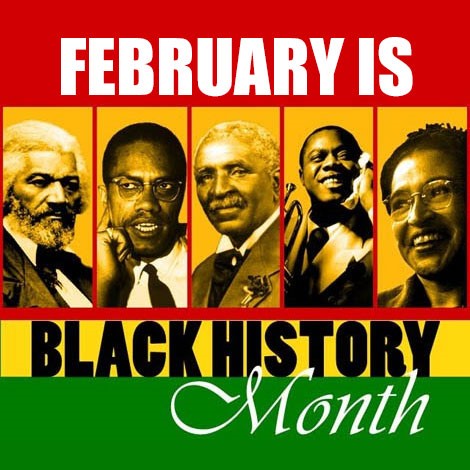
Black History Month is a federally recognized, nation-wide celebration during the month of February (and more recently has been observed unofficially in Ireland, the Netherlands, and the United Kingdom). The celebration provides an opportunity for all to reflect upon the many contributions of the millions of African Americans. In 1926, the noted African American historian, Carter G. Woodson, initiated “Negro History Week” to increase public awareness and appreciation of the significant role African Americans played in the shaping of our country. He chose February for the observance because February twelfth was Abraham Lincoln’s birthday and February fourteenth was the accepted birthday of Frederick Douglass. In 1976, during the bicentennial celebration of our country, Negro History Week expanded into Black History Month.
Women’s History Month
March
Women’s History Month is an annual declared month that highlights the contributions of women to events in history and contemporary society. It is celebrated during March in the United States, the United Kingdom, and Australia, corresponding with International Women’s Day on March 8 in March of 1980, President Jimmy Carter issued a Presidential Message to the American people, encouraging the recognition and celebration of women’s historic accomplishments during the week of March 8th, Women’s History Week. By the end of 1980, then Representative Barbara Mikulski (D-MD) and Senator Orrin Hatch (R-UT) had co-sponsored the first Joint congressional Resolution that declared the week of March 8th in 1981 as National Women’s History Week. In 1987, at the request of women’s organizations, museums, libraries, youth leaders, and educators throughout the country, the National Women’s History Project successfully petitioned Congress to expand the national celebrations to the entire month of March.
The Days of Remembrance of the Victims of the Holocaust (DRVH)
April
The Days of Remembrance of the Victims of the Holocaust (DRVH) is an annual 8-day period in April designated by the United States Congress for civic commemorations and special educational programs that help citizens remember and draw lessons from the Holocaust. The annual DRVH period normally begins on the Sunday before the Israeli observance of Yom HaShoah, Holocaust Memorial Day, and continues through the following Sunday, usually in April or May. In 2005, the United Nations established a different date for International Holocaust Remembrance Day, Jan. 27 — the day in 1945 when the Soviet Red Army liberated the Auschwitz-Birkenau concentration camp — but the Yom HaShoah date of Nisan 27 on the Hebrew calendar continues as the date for the determination of the 8-day DRVH commemoration.
Asian American & Pacific Islander (AAPI) Heritage Month
May
Asian American & Pacific Islander (AAPI) Heritage Month is a celebration of Asians and Pacific Islanders in the United States. May was chosen to commemorate the immigration of the first Japanese immigrants to the United States in 1843. Much like Black History and Women’s History celebrations, AAPI Heritage Month originated in a congressional bill put forward by legislators. In June 1977, Representatives Frank Horton of New York and Norman Y. Mineta of California introduced a House resolution that called upon the President to proclaim the first ten days of May as AAPI Heritage Week.
Lesbian, Gay, Bisexual, and Transgender Month
June
A month-long annual observance of lesbian, gay, bisexual and transgender history, and the history of the gay rights and related civil rights movements. LGBT History Month provides role models, builds community, and represents a civil rights statement about the contributions of the LGBT community. Currently, LGBT History Month is a month-long celebration that is specific to the United States, the United Kingdom and Canada. In the United States and Canada, it is celebrated in October to coincide with National Coming Out Day on October 11.
Hispanic Heritage Month
September 15 - October 15
Hispanic Heritage Month celebrates the long and important presence of Hispanic and Latino Americans in North America. It provides a great opportunity to pause and reflect on our shared history as Americans and to celebrate the rich mosaic of people and cultures who, together, build and strengthen our nation. The celebration officially begins on September 15 because this day marks the anniversary of independence for five Hispanic countries—Costa Rica, El Salvador, Guatemala, Honduras, and Nicaragua. In addition, Mexico achieved independence on September 16 and Chile on September 18. The month-long observance ends October 15.
National Disability Employment Awareness Month
October
October is National Disability Employment Awareness Month, a federally recognized designation that calls attention to the issues people with disabilities face, particularly in employment. The month is sponsored by President’s Committee on Employment of People with Disabilities. Congress passed Resolution No. 176 in 1945, designating the first week in October of each year as National Employ the Physically Handicapped Week. In 1962, a change in terminology replaced “handicap” with “disability” and “physically” was removed from the name to recognize the employment needs of all persons with disabilities. In 1988 Congress expanded the week to a month and changed its name to National Disability Employment Awareness Month.

American Indian Alaska Native Heritage Month
November
The first American Indian Day was celebrated in May 1916 in New York. Red Fox James, a member of the Blackfeet Nation, rode horseback from state to state to get endorsements from 24 state governments to have a day to honor American Indians. In 1990, President George H.W. Bush signed a joint congressional resolution designating November 1990 as “National American Indian Heritage Month.” Similar proclamations have been issued every year since 1994, and we now refer to this celebration as “American Indian and Alaska Native Heritage Month.”
Veterans Day
November 11
Veterans Day (originally known as Armistice Day) is an official United States public holiday observed annually on November 11, for honoring military veterans, that is, persons who have served in the United States Armed Forces. Veterans Day is distinct from Memorial Day, a U.S. public holiday in May. Veterans Day celebrates the service of all U.S. military veterans, while Memorial Day honors those who died while in military service. There is another military holiday, Armed Forces Day, a minor U.S. remembrance that also occurs in May, which honors those currently serving in the U.S. military.
For additional information, contact our Vice President of Diversity at diversityvp@few.org